Look Out the Window: On Making Art That Isn't About You

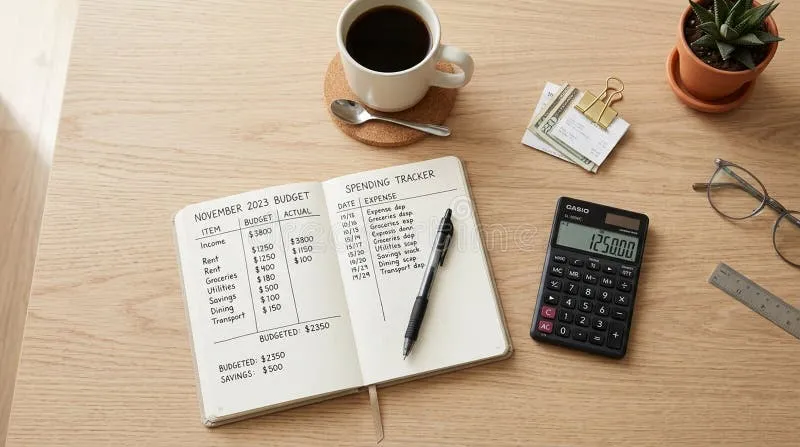
Photo by Photo by NordWood Themes on Unsplash on Unsplash
There's a particular look that comes over people's faces when the algorithm rewards them for telling their own story. It's a kind of hungry relief. Oh. So this is what they want. Me. More of me.
I know it well. I've worn it.
The Confessional Economy
We've spent the better part of a decade building a creator economy on the premise that firsthand experience is the most valuable currency you can spend. Trauma, growth, rock bottom, redemption—the more specific, the better. The more you bleed on the page, the more people click.
And I won't pretend that's entirely cynical. I've read essays that rearranged something in me. I've watched videos where someone's honesty made me feel less alone at 2 a.m. Confession, done well, is a gift.
But I want to push back against the idea that it's the only gift. That confessional work is somehow more honest, more valuable, or more profoundly real than the work you make about something other than yourself.
What Distance Actually Does
I think of the playwright who spends a year interviewing residents of a dying Rust Belt town. The illustrator who draws the pigeons outside their window for thirty days straight. The songwriter who writes from the perspective of a person they'll never meet, and in the process nails something true about being human that no first-person album of their own could have touched.
This is not hiding. It's looking out the window.
Creative distance gives you two things that self-exposure can't:
Range. When every project is about you, every project has the same ceiling—which is the ceiling of your own experience. The moment you point the lens outward, the work can hold more. More perspectives, more contradictions, more of the world.
Room to breathe. There's a reason actors take breaks between heavy roles. There's a reason writers who mine their own pain full-time tend to burn out in spectacular fashion. Constant confession is exhausting, and exhaustion is not the same thing as depth.
The Freedom of Not Being the Subject
I remember the first time I made something that didn't have a single autobiographical detail in it. I was so nervous people would call me a fraud, or worse, that they'd be bored. But something else happened.
I was free. I could make bad choices on purpose. I could change direction. I could write a sentence that wasn't strictly true and not have to defend it as a fact about my own life. I could be a craftsperson instead of a witness.
For those of us who somehow turned vulnerability into a job, that freedom is enormous. It's a reminder that you're allowed to have a body of work that isn't a running diary. You're allowed to research. To observe. To invent. To make things up. Fiction is not a lesser form of truth.
How to Actually Practice This
If confessional work has been your default, here's how to start building in distance:
- Give yourself a research project. Pick a subject outside yourself and commit to spending time with it. Not a content series. Just curiosity.
- Try a persona. Write a paragraph in the voice of someone who isn't you. It's a muscle.
- Set a no-I rule. One piece, one month, one project—no first person. See what happens.
- Let some work stay private. Not everything has to be shared. Distance applies to your audience, too. The work you make just for you is a different kind of distance, and it's just as important.
The Bigger Picture
I love the confessional economy for the permission it gave so many of us to stop hiding. But I want the generation of creators coming up behind us to know they have a choice. Your audience's appetite for your pain is not a mandate. You are allowed to be interesting for reasons other than what has happened to you.
The window is right there. Look through it. There's a whole world outside you, and it's absolutely full of things worth making art about.